By Naraway
In this article
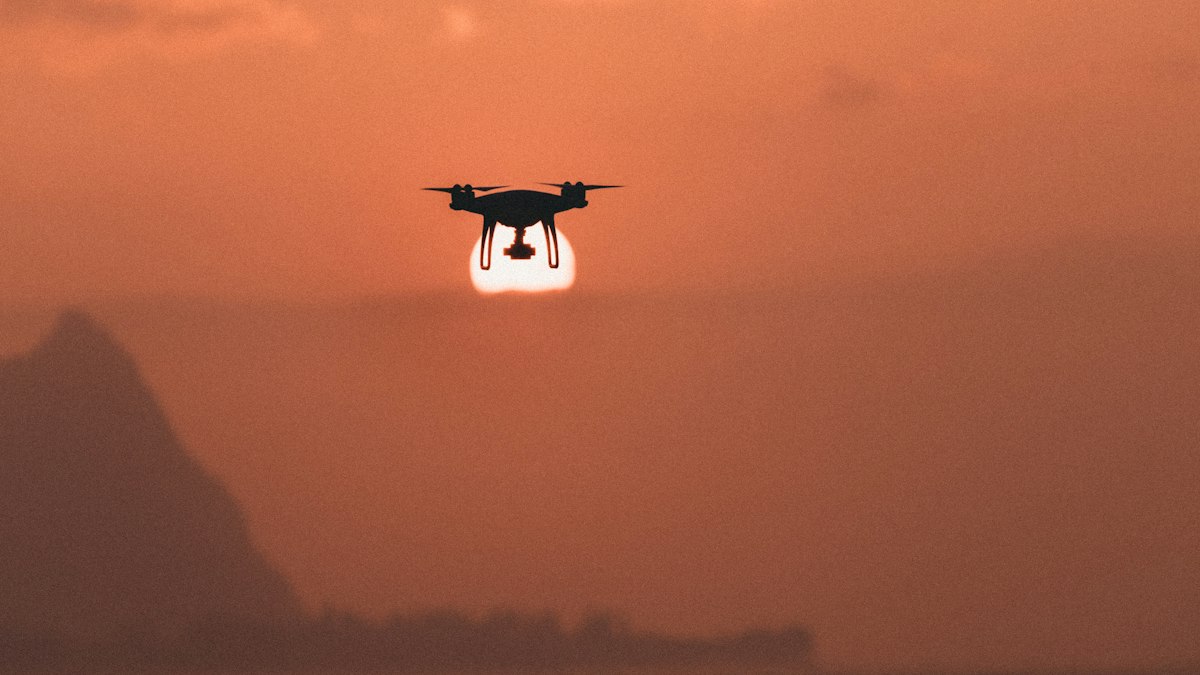
Shield AI builds software that lets aircraft fly and fight without a pilot. On 5 November 2026, it agreed to pay $5.3 billion for Echodyne, a company that builds the radar those aircraft, and the people defending against them, use to see small drones. Echodyne chief executive Eben Frankenberg put the logic in one line: "autonomous systems can only act on what they can sense."
Source: Breaking Defense (November 2026).
Shield AI Echodyne Deal Terms
| Term | Detail |
|---|---|
| Price | $5.3 billion |
| At closing | $4.8 billion |
| Earn-out | Up to $500 million, tied to performance targets |
| Funding | $2.5 billion Series H; investors include Blackstone and JPMorgan Chase |
| Expected close | Early 2027 |
| Integration | Echodyne becomes a unit of Shield's mission systems business |
Frankenberg stays on and reports to Shield AI chief executive Gary Steele. Shield says it plans no job cuts and Echodyne staff will not have to relocate. "The acquisition of Echodyne dramatically accelerates our efforts to meet growing customer demand," Steele said.
What Echodyne's Radar Does
Echodyne's radar, a Metamaterials Electronically Scanned Array, or MESA, detects and tracks drones. In September 2026, the Pentagon's Joint Interagency Task Force 401 selected it to supply counter-drone systems to the US military. Echodyne says its systems are used by defence, government and commercial customers in more than 40 countries, and that "hundreds of customers" rely on them.
How the Deal Fits Shield AI
Shield now organises its business into three parts: autonomy software, autonomous systems and mission systems. It has grown partly by buying companies:
Martin UAV (2021)
Brought the V-BAT drone.
Aechelon Technologies
Simulation software; the purchase closed recently.
Echodyne (2026)
Counter-drone radar, joining mission systems.
A spokesperson said the deal does not affect Shield's separate radar work with RTX on its X-BAT aircraft, and that the company "will continue to look at acquisitions as part of its growth strategy."
Also readWhich sectors drew the record billion-dollar rounds of Q3 2026?
The deal pairs a sensor maker with an autonomy software company. The same pairing of device and software decides most connected products, whether they fly or not. Naraway's tech team builds the integrations and data pipelines between devices and the software that runs them.
In short
Shield AI agreed on 5 November 2026 to buy Echodyne, a maker of counter-drone radar, for $5.3 billion: $4.8 billion at closing and up to $500 million more if performance targets are met. Shield also raised $2.5 billion in a Series H round, with Blackstone and JPMorgan Chase among investors. The deal is expected to close in early 2027.
- $5.3 billion: $4.8 billion at closing plus up to $500 million in earn-outs.
- Shield raised a $2.5 billion Series H alongside the deal, with Blackstone and JPMorgan Chase.
- Echodyne's MESA radar was picked in September by the Pentagon's counter-drone task force.
- Echodyne radars are used in more than 40 countries.
- Expected to close in early 2027; no planned job cuts or relocations, Shield says.
Sources
- Shield AI acquires radar firm Echodyne in $5.3B deal, Breaking Defense (November 2026)
Frequently Asked Questions
How much is Shield AI paying for Echodyne?
$5.3 billion: $4.8 billion at closing and up to $500 million in earn-outs tied to Echodyne meeting performance targets.
What does Echodyne make?
Counter-drone radar. Its Metamaterials Electronically Scanned Array (MESA) radar detects and tracks drones and is used by defence, government and commercial customers in more than 40 countries.
When will the Shield AI Echodyne deal close?
Shield AI expects it to close in early 2027.
How is Shield AI paying for Echodyne?
Shield raised $2.5 billion in a Series H round alongside the announcement, with investors including Blackstone and JPMorgan Chase.